In the realm of refrigeration, coldrooms stand as a cornerstone for preserving perishable goods. Whether you’re in the food industry, pharmaceuticals, or any sector requiring temperature-controlled storage, setting up a coldroom efficiently is crucial. In this guide, we’ll delve into the essential coldroom parts and how to assemble them effectively.
Understanding Coldroom Installations
Coldroom installations are complex systems designed to maintain precise temperatures, ensuring the integrity of stored goods. Proper coldroom installation is paramount for optimal performance and longevity. Let’s break down the key components and steps involved.
1. Insulation: The Foundation of Temperature Control
Insulation is the backbone of a coldroom, preventing heat transfer and maintaining consistent temperatures. Quality insulation materials like polyurethane foam are commonly used for their excellent thermal properties. Ensure thorough insulation coverage across walls, ceiling, and floor to minimize heat exchange.
2. Panels: Building Blocks of the Structure
Coldroom panels form the structural framework, providing support and enclosure. These panels, typically made of steel or aluminum, interlock to create a seamless enclosure. Proper alignment and sealing of panels are essential to prevent air leakage and maintain insulation efficiency.
3. Doors: Gatekeepers of Temperature
Coldroom doors play a crucial role in controlling access and minimizing temperature fluctuations. Choose doors with sturdy construction and effective sealing mechanisms to prevent heat infiltration. Additionally, consider options like high-speed doors for rapid entry and exit without compromising temperature stability.
4. Refrigeration System: Cooling the Space
The heart of any coldroom is its refrigeration system, responsible for maintaining desired temperature levels. Components such as compressors, condensers, evaporators, and expansion valves work in harmony to extract heat from the interior and dissipate it outside. Proper sizing and installation of refrigeration equipment are vital for efficient operation and energy savings.
5. Lighting: Illuminating the Space
Adequate lighting is essential for visibility and safety within the coldroom. LED lighting fixtures are preferred for their energy efficiency and durability in low-temperature environments. Position lights strategically to ensure uniform illumination without obstructing storage space or interfering with refrigeration equipment.
6. Flooring: Ensuring Stability and Hygiene
Coldroom flooring must withstand heavy loads and maintain cleanliness to meet hygiene standards. Choose non-slip, durable flooring materials resistant to moisture and temperature extremes. Proper drainage systems are also critical to prevent water buildup and maintain a sanitary environment.
7. Shelving and Racking: Organizing Storage
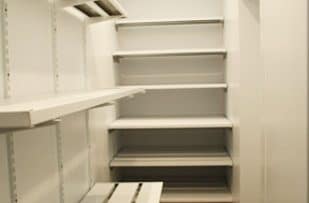
Efficient storage solutions maximize space utilization and facilitate inventory management. Install sturdy shelving and racking systems designed to withstand cold temperatures and support the weight of stored goods. Consider adjustable shelves to accommodate varying product sizes and optimize storage capacity.
8. Controls and Monitoring: Regulating Parameters
Control systems allow users to set and monitor temperature, humidity, and other parameters crucial for product preservation. Invest in user-friendly control panels with intuitive interfaces for easy operation. Implement remote monitoring capabilities to track system performance and receive alerts for any deviations from set parameters.
9. Seals and Gaskets: Preserving Integrity
Proper seals and gaskets are essential for maintaining airtight integrity and preventing moisture infiltration. Inspect seals regularly for signs of wear or damage, replacing them as needed to ensure optimal performance. Lubricate seals with food-grade lubricants to prolong lifespan and maintain flexibility in cold temperatures.
10. Maintenance and Servicing: Ensuring Longevity
Regular maintenance and servicing are essential to keep a coldroom operating at peak efficiency. Schedule routine inspections, cleaning, and calibration of equipment to prevent breakdowns and minimize energy consumption. Establish a maintenance schedule and document all service activities for compliance and record-keeping purposes.
Conclusion:
Setting up a coldroom requires careful consideration of its various components and their interplay in maintaining temperature control. From insulation and panels to refrigeration systems and controls, each part plays a vital role in preserving the integrity of stored goods. By understanding these components and following proper installation procedures, you can ensure optimal performance and longevity of your coldroom installation.