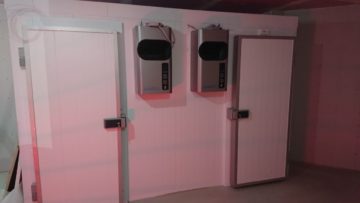
When it comes to commercial food storage, a walk-in freezer room is an indispensable asset for businesses of all sizes. Whether you operate a restaurant, a grocery store, or a catering service, having a reliable walk in freezer room is crucial for preserving perishable goods and ensuring food safety. However, the walk in freezer cost can vary significantly depending on several factors. In this article, we’ll delve into the key considerations that influence the cost of a walk-in freezer room and provide insights into how businesses can budget effectively for this essential investment.
1. Size and Capacity
The size and capacity of a walk-in freezer room play a significant role in determining its cost. Larger units require more materials for construction, higher-capacity cooling systems, and increased installation labor. As a result, businesses should carefully assess their storage needs and consider factors such as inventory volume and future growth projections when determining the size of their walk-in freezer room.
2. Insulation Quality
The quality of insulation in a walk-in freezer room directly impacts its efficiency and operating costs. High-quality insulation helps maintain consistent temperatures and reduces energy consumption, resulting in lower utility bills over time. While investing in superior insulation may increase the upfront walk in freezer cost, it can lead to long-term savings and improved performance.
3. Cooling System
The type of cooling system used in a walk-in freezer room can also affect walk in freezer cost. Traditional compressor-based systems are commonly used but may be less energy-efficient than newer technologies such as evaporative cooling or remote refrigeration units. Businesses should weigh the upfront cost of different cooling systems against their long-term energy savings and performance benefits.
4. Customization Options
Customization options, such as shelving configurations, lighting fixtures, and door types, can add to the cost of a walk-in freezer room. While these features can enhance functionality and convenience, businesses should prioritize their needs and budget accordingly. Working with a reputable supplier can help businesses find cost-effective customization options that meet their specific requirements.
5. Installation and Maintenance
The installation process for a walk-in freezer room involves various factors, including site preparation, electrical wiring, plumbing, and ventilation requirements. Businesses should budget for both the installation and ongoing maintenance walk in freezer costs to ensure the longevity and optimal performance of their freezer room. Additionally, investing in regular maintenance and servicing can help prevent costly repairs and prolong the life of the equipment.
6. Regulatory Compliance
Meeting regulatory standards and building codes is essential when installing a walk-in freezer room. Businesses should factor in any additional walk in freezer costs associated with compliance requirements, such as structural modifications or safety features, to ensure legal compliance and avoid potential fines or penalties.
Conclusion:
In conclusion, the walk in freezer cost is a crucial factor to consider when investing in a walk-in freezer room. By carefully evaluating factors such as size, insulation quality, cooling system, customization options, installation requirements, and regulatory compliance, businesses can make informed decisions that align with their budget and operational needs. Investing in a high-quality walk-in freezer room is essential for ensuring food safety, minimizing waste, and maximizing efficiency in commercial food storage operations.